What we learned
Across 3,700 base spins, 24.51% paid something, free spins began 1 in 185 spins and the recorded return was 72.26%.
The 100 bought rounds averaged 68.17× the bet and 21% covered their price.
 18+
Game 4 of 9 · Pragmatic Play · 2023
The Dog House Multihold slot expands the feature across additional grids while keeping a familiar fixed-layout foundation.
Quick verdict: 8.8/10 — The multi-grid specialist: copied sticky wilds and staged unlocks give the familiar line game another layer.
By Slot Series Guide team · How we test
The Dog House Multihold slot builds its feature around extra playing grids. You begin with a familiar 5×3 layout and 20 paylines, then free spins can expand the action to as many as 4 grids. The clever part is the copied wilds: when a new grid opens, sticky positions carry into that additional board.
That gives Multihold a different rhythm from the original. You are following both the held pattern and the progress towards another unlock. A useful wild has a role on its current grid and becomes part of the layout copied when the next board opens. It is a strong choice if you enjoy watching a feature develop across the screen.
The specification pairs medium volatility with a 9,000× maximum and a 96.06% base RTP. You can buy feature entry for 100× stake, with a separate RTP of 96.08% for that purchase. The extra grids are the real attraction here: this is the sequel we open when the single-board sticky mechanic feels familiar and we want another layer to follow.
Keep track of the board receiving each change. A held symbol on one grid and an unlocked additional grid describe separate parts of the feature. Following their order makes the relationship between the boards clearer and prevents a final total from standing in for the explanation of how the sequence developed.
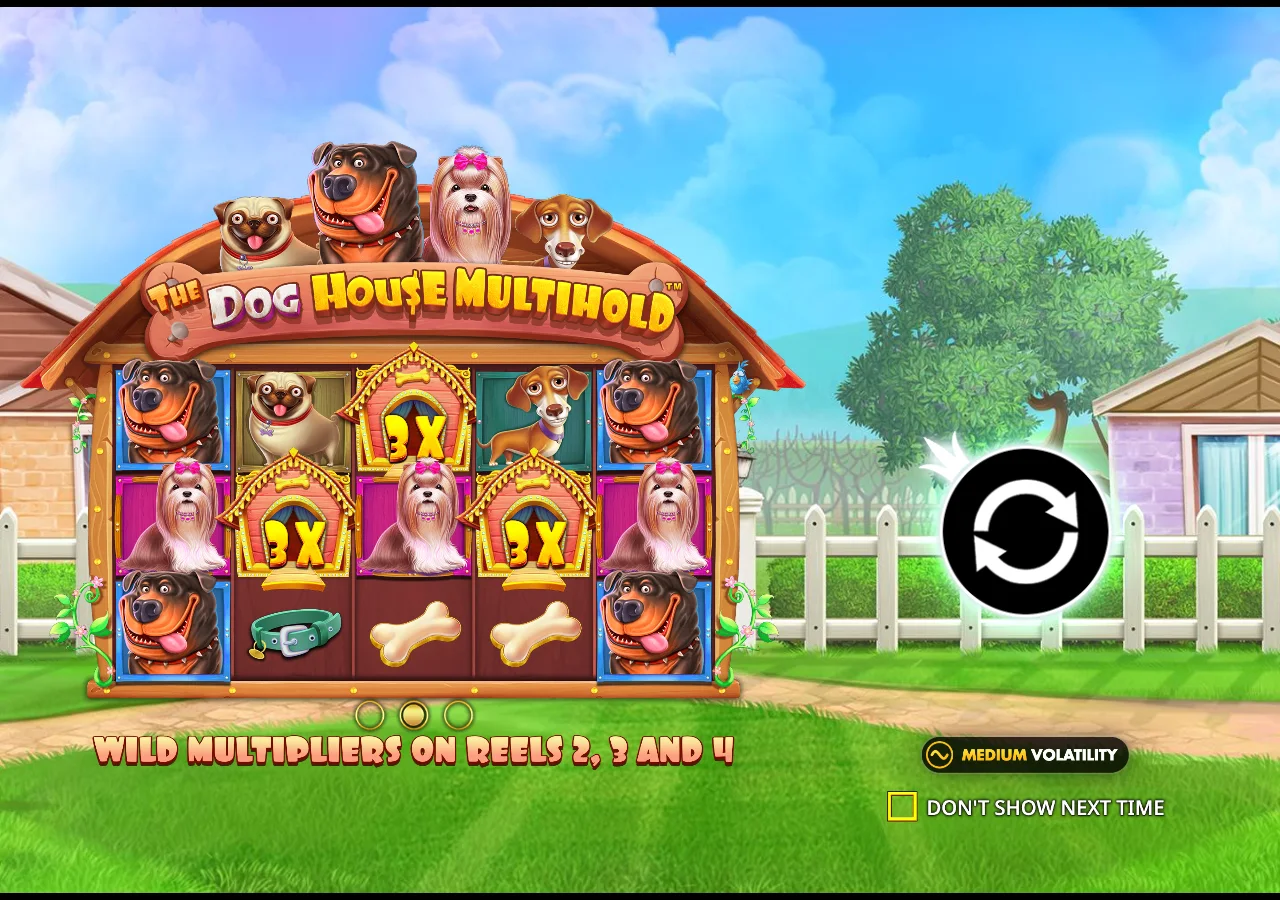
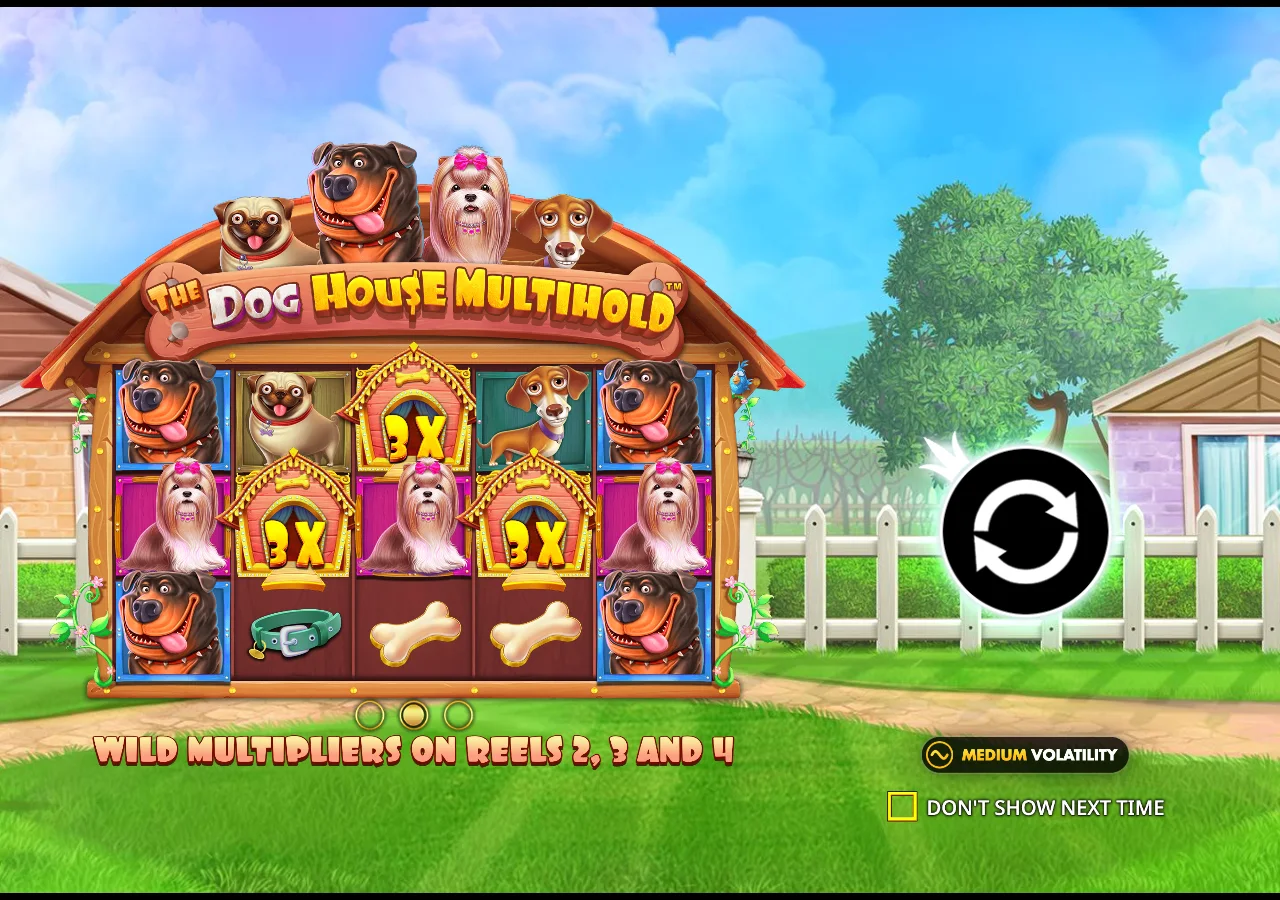
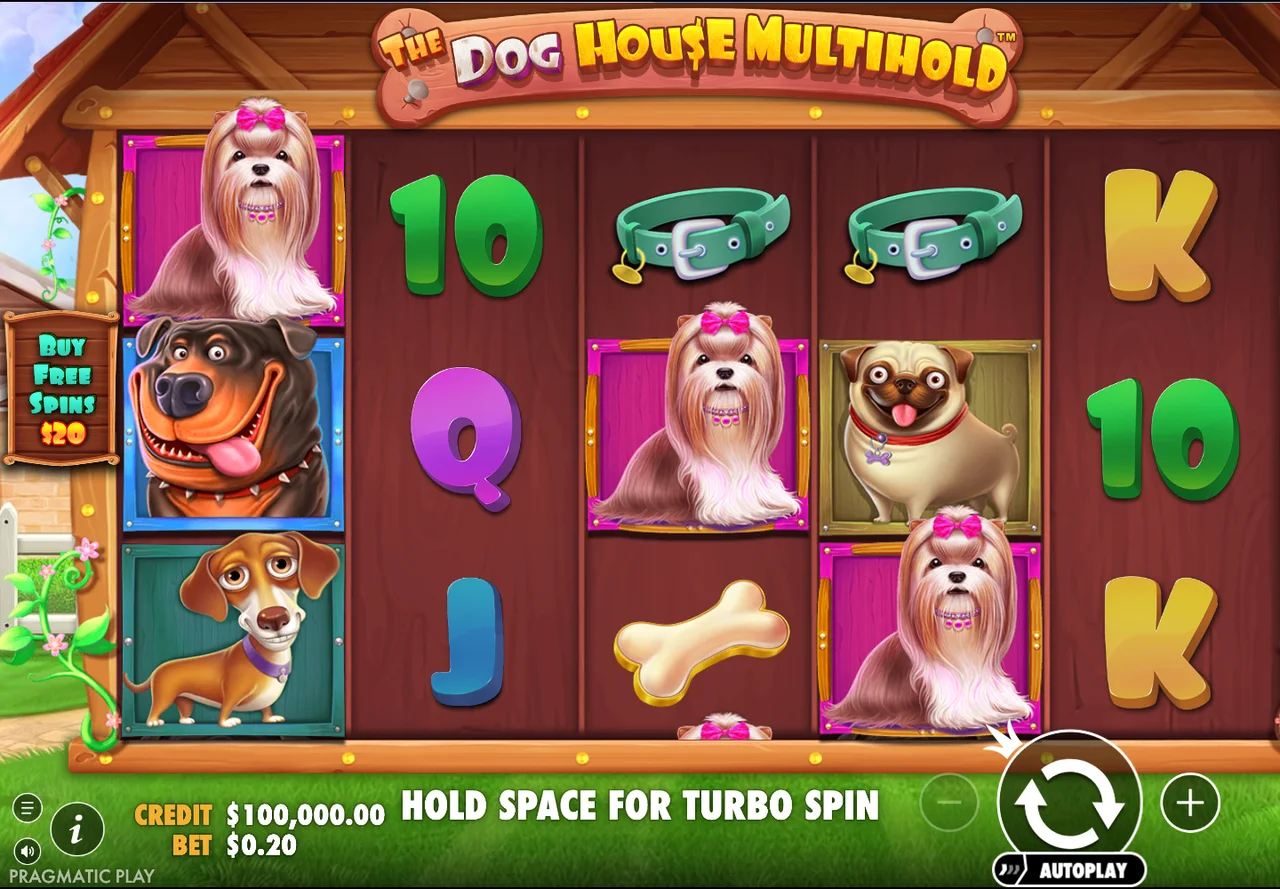
Multihold keeps the ordinary game on 20 fixed paylines. That makes its grid immediately recognisable if you have played the original: 5 reels, 3 rows and multiplier wilds on reels 2, 3 and 4. The wild values are 2× or 3×, and qualifying multipliers add on a winning combination.
Its standout symbol behaviour arrives during free spins. Wilds become sticky, then copy to a newly opened grid. Scatters also take on a collection role, with 3 required to open the next board. You are therefore watching different symbols for different reasons: wilds develop the held pattern and scatters move the grid progression forward.
The in-game paytable supplies the ordinary-symbol awards for Multihold. This review focuses on its wilds and unlock sequence, which are the mechanics that make it distinctive. Follow a highlighted line to read the current payment, then look across the active boards to see which positions have carried over. That combination of familiar line reading and extra-grid progression is what gives the feature its personality.
Scatters have a particularly interesting second role in this version. The initial trigger starts free spins, then collected scatters drive the next-grid unlock inside the feature. That separates the start of the round from its later development. Wilds supply the held pattern; scatters supply the progression. Reading those two special-symbol systems together is the quickest way to understand why Multihold feels busier than the original despite sharing its ordinary dimensions.
18+ · Play responsibly. Gambling involves risk.
Before the feature, Multihold uses a single 5×3 grid. The middle-reel wilds bring 2× or 3× multipliers into qualifying line wins, with contributing values added together. This gives you a familiar Dog House foundation before the multi-grid part of the design begins.
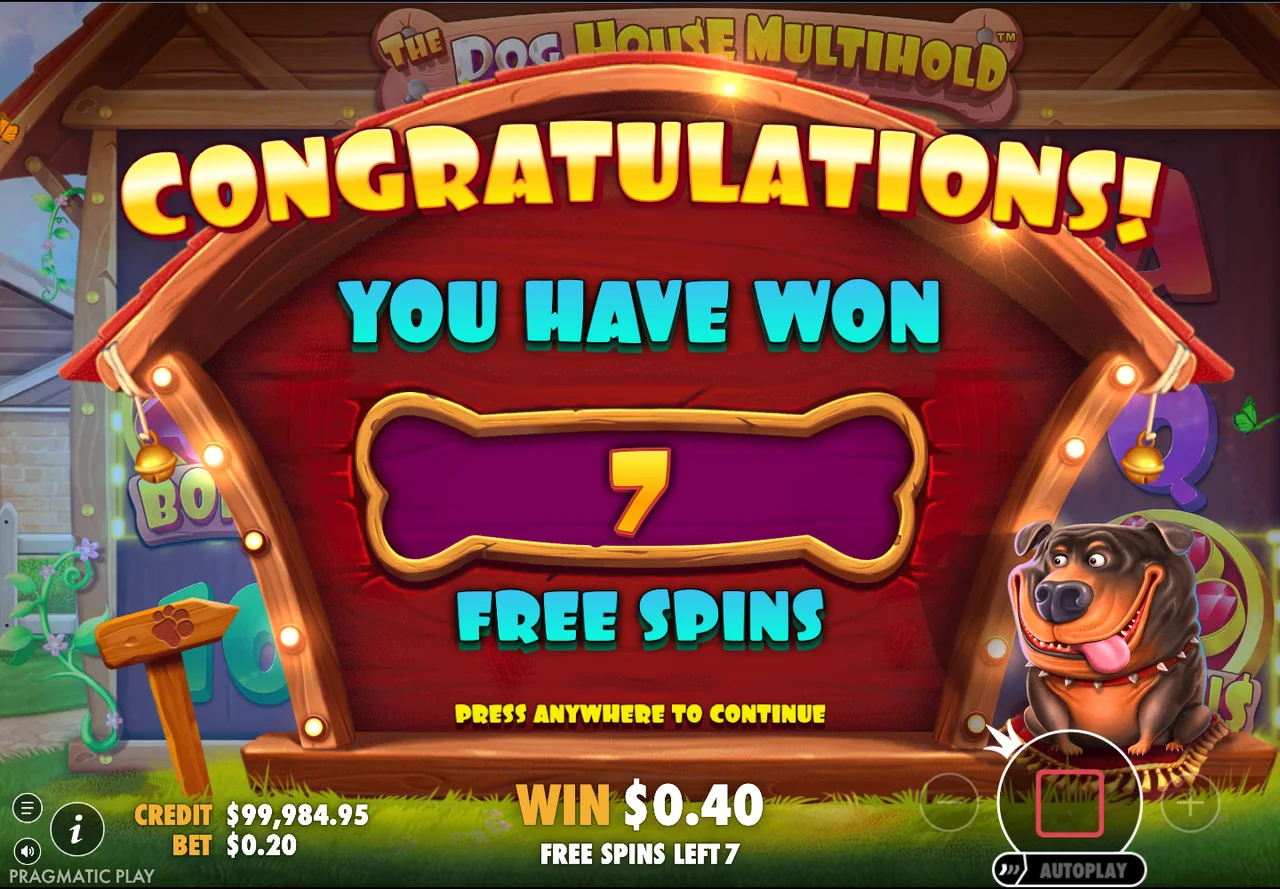
The free-spin trigger is 3 scatters, and the initial award is 7 spins. Those starting conditions matter because the rest of the feature develops through grid unlocks. You can read ordinary play as the compact version of the game, then follow how the feature builds on it rather than switching to a completely different payment system.
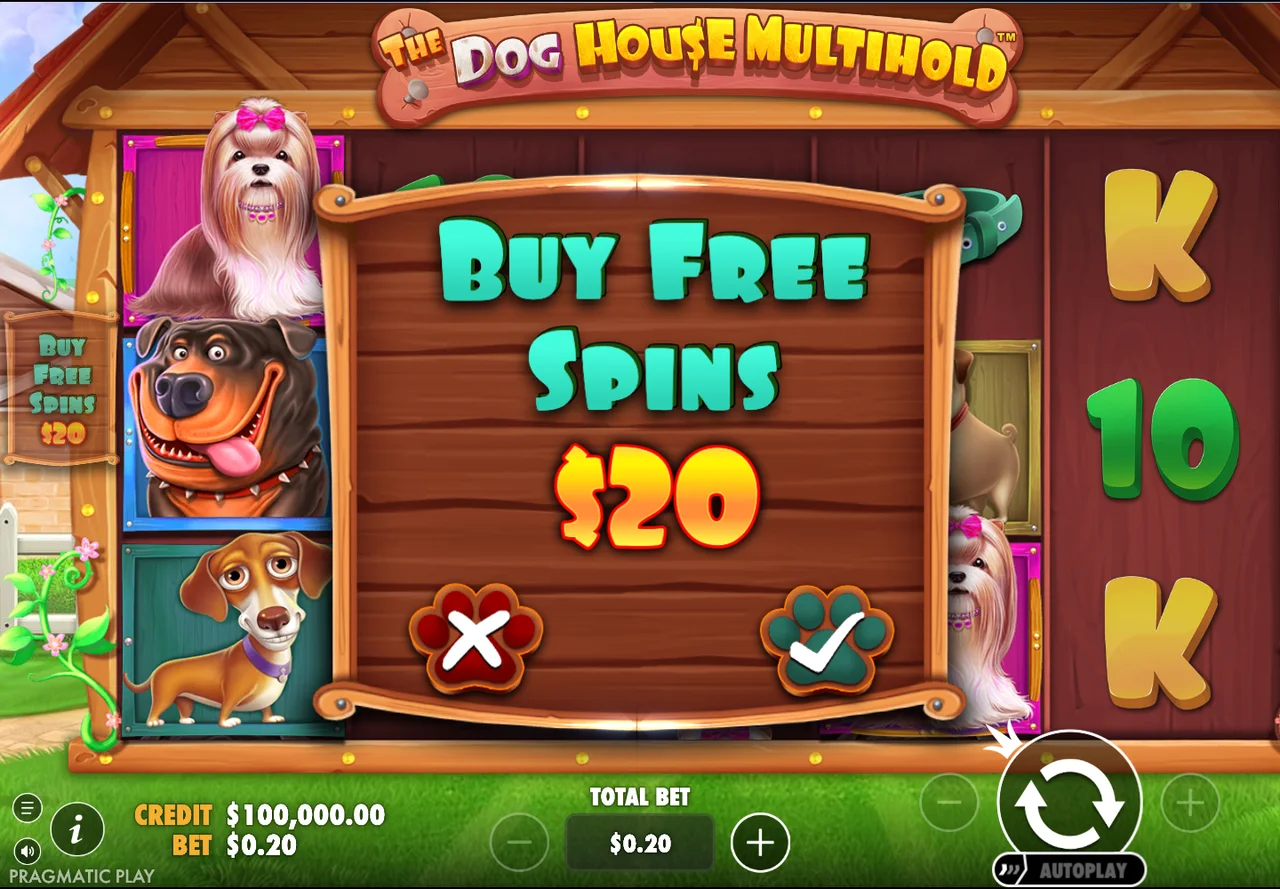
Feature entry costs 100× stake. Its purchase RTP is separate from the base setting, so the comparison table keeps the two figures distinct. In practical terms, the feature menu is focused: Multihold’s variety comes from the unfolding boards rather than several priced modifier choices. If that progression is what you enjoy, the demo gives you a clear way to explore how the symbols, counters and active grids fit together.
The linked boards are the clearest reason to explore this sequel. Follow which grid is active, where a held wild appears and what changes when another board becomes available. Those observations describe the feature’s structure more clearly than the total payment alone. The familiar fixed-line window remains a useful reference while the additional boards change how the sequence is presented.
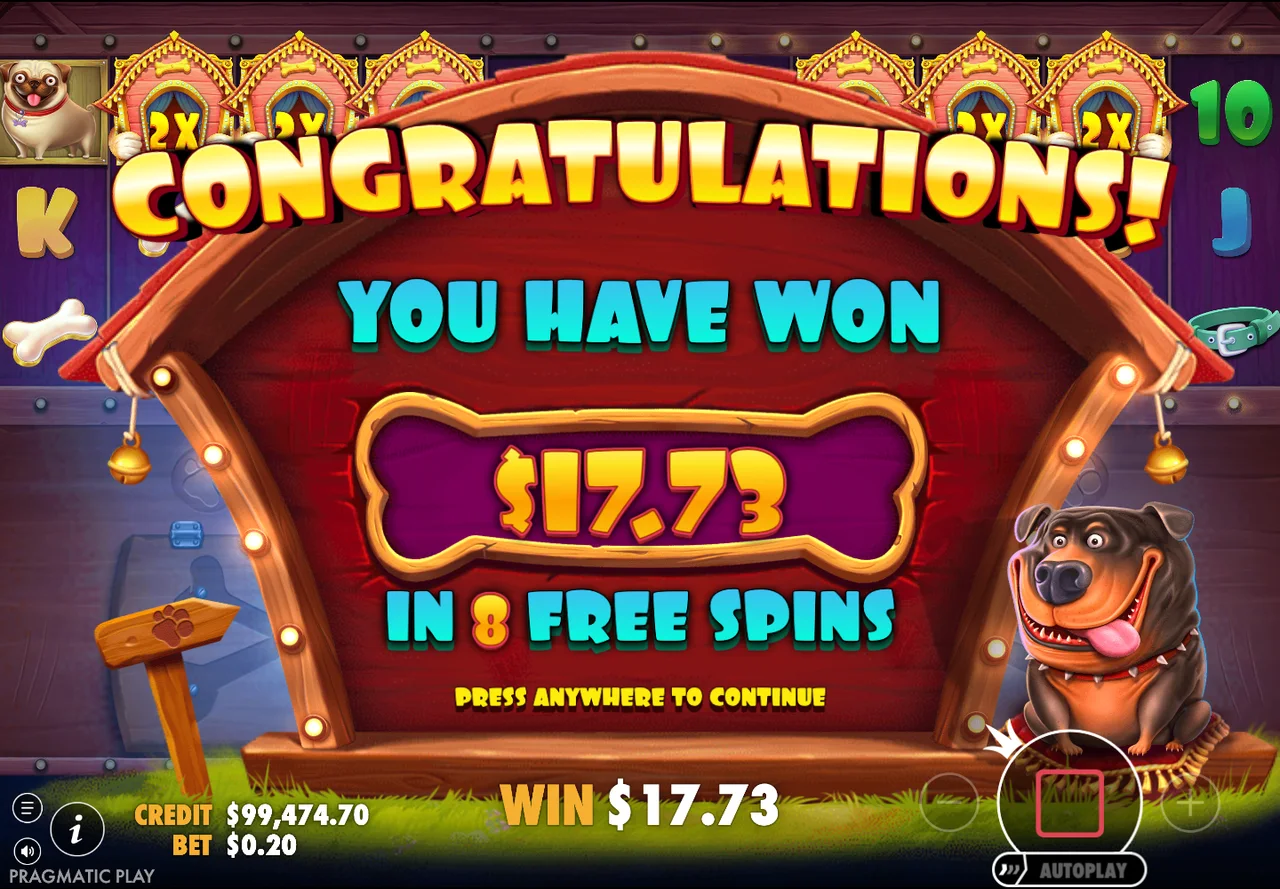
A capture shows a particular stage of that progression. It can identify an opening award or a completed result, but it cannot show every transition between them. Read the gallery with the feature explanation so that a visible board state is connected with the rule that produced it. This keeps an inspected example distinct from the broader feature design.
For a focused comparison with the original, ask how the game develops after a wild has appeared. The original keeps attention on one board; Multihold introduces the additional grid relationship. Following the same question in both demos makes the sequel’s main idea easier to recognise.
The purchase menu is another useful place to check the exact title and selected entry. Its confirmation identifies the cost of starting the named feature. Our demo examples keep the selected mode and session details beside each result. You can follow the linked boards in those spins, then open the active rules for the conditions in your version.
The feature opens with 7 spins after 3 scatters. Collect another 3 scatters to unlock the next grid, with a maximum of 4 active grids. The successive unlocks add 1, 2 and 3 spins. That creates a clear sequence to follow: build the held positions, collect towards the next board, then read the expanded feature.
Sticky wilds copy into a newly opened grid. This is the mechanic that makes Multihold more than several unrelated boards. The pattern you have already developed becomes part of the next playing area, giving earlier wild positions a continuing role as the screen expands.
Additional spins come through those grid unlocks. Extra spins come from the grid-unlock progression rather than a separate repeating award. Watch the collection counter and the new board together so that you can see why the spin total changes. The most satisfying moments combine both layers of the design: another grid joins the feature and arrives with the sticky positions that made the previous board interesting.
The copied positions give each unlock an immediate connection with the earlier board. Instead of starting an unrelated playing area, the feature carries its held pattern forward. That is the detail worth locating in the demo when the next grid appears. You can then read the extra-spin award beside the collection counter and see how the progression affects both the screen and the remaining allowance.
| Scatters | Free spins |
|---|---|
| 3 | 7 |
Our demo samples describe the recorded sessions only. They do not predict future results.
3,700 · Base spins
Focus or point to a bar to read its value.
| Game | Price (× bet) | Rounds | Average | Median | Best | Returned in our run (%) | Paid back (%) |
|---|---|---|---|---|---|---|---|
| Free spins1 bought round was lost to a network timeout and excluded. | 100× | 100 | 68.17× | 26.23× | 473.55× | 68.17% | 21% |
Across 3,700 base spins, 24.51% paid something, free spins began 1 in 185 spins and the recorded return was 72.26%.
The 100 bought rounds averaged 68.17× the bet and 21% covered their price.
18+ · Play responsibly. Gambling involves risk.
Multihold has 96.06% RTP for ordinary play and 96.08% for the 100× feature purchase. Its volatility label is medium and its maximum is 9,000× stake. The base percentage is lower than the other known base-game RTP figures in this family, which is reflected in our rating’s RTP factor.
Its strength lies elsewhere: extra grids, copied wilds and a clearly staged unlock sequence. We give feature depth substantial weight because this is an entertainment comparison, and Multihold offers a distinctive system to follow. The base percentage, volatility label and maximum remain visible alongside that editorial judgement.
For a close comparison, Royal Hunt retains 20 paylines and has 96.53% RTP for the current unrestricted provider demo’s regular play. The original has 96.51% RTP and a 6,750× cap. Multihold gives you the multi-board progression and a higher cap than the original, with its own separate return settings. Read the opened game’s information panel for the configuration attached to that particular version.
Choose Multihold when you want the sticky-wild pattern to spread into additional grids. The original keeps all the action on a single board, making it the simpler introduction. Multihold uses that familiar starting point and then asks you to follow scatters, unlocks and copied positions together.
Dog or Alive offers a different kind of progression. It stays on the fixed layout while wild collection doubles multipliers and adds spins at milestones. The comparison is especially useful because both games develop the held-wild idea: one expands the playing area, while the other increases the values already in play.
The Big Dog House changes wild sizes and adds Biggie and Ghost Out choices. Royal Hunt changes the multiplier values through its royal treatment. Against those alternatives, Multihold’s identity is clear. Its menu is relatively focused, but the feature itself can become much busier as boards open. If you enjoy watching several linked playing areas, this is the family member with the most directly relevant mechanic.
The extra boards also distinguish Multihold from Big’s wild-size approach. Big changes the footprint and modifier treatment on a fixed playing area, whereas Multihold adds linked playing areas. Both make the screen more active, but through different mechanics. That gives you a concrete demo comparison: follow a copied position across boards in Multihold, then follow a larger wild and its mode in Big.
Multihold is particularly interesting to inspect on your own screen because the feature can expand beyond its original grid. Open the demo and see how the layout presents the active boards, scatter collection and spin counter together. The ordinary 5×3 view gives you the starting reference.
When another board opens, look for the copied sticky positions. Following the same location across the grids is the quickest way to understand the feature’s visual logic. You can then check the counter to see the extra spins associated with that unlock. It is a satisfying sequence once you know which display belongs to each part of the progression.
Use the review’s free-spin explanation alongside the game while you explore. The important details are the 3-scatter unlock, the maximum of 4 grids and the successive extra-spin awards. For a simpler screen comparison, return to the original; for another progression system on a single layout, try Dog or Alive and follow its wild-count milestones instead.
18+ · Play responsibly. Gambling involves risk.
Multihold earns its place through a genuinely distinctive feature idea: open extra boards and carry sticky wilds into them. The initial layout stays familiar, but the bonus gives you both a pattern to build and a progression counter to follow. That combination makes this one of the more interesting fixed-line sequels to explore.
We particularly like how the copied positions link the grids. The extra boards are connected to what has already happened in the feature, which gives the expansion a clear purpose. The staged extra-spin awards are another useful detail, making each unlock easy to identify.
The lower base RTP is the main specification trade-off. A busier feature screen also suits a different taste from the original’s compact board. Our score balances those points with the strong feature-depth grade and the pace of our base-game spins. If your favourite part of Dog House is watching a sticky pattern develop, Multihold gives that idea an engaging extra dimension.
The copied pattern gives every newly opened board an immediate link to the feature already in progress.
Three scatters trigger an initial 7 spins. The feature then develops through additional grid unlocks. Collect 3 scatters towards the next board and you can expand the action, with a maximum of 4 grids. This progression is the central difference from the original.
The held positions copy into the newly opened board. That links the feature’s playing areas and lets you follow the pattern across them. Wilds carry 2× or 3× values, and qualifying multipliers add when they contribute to a winning line.
The successive awards are 1, 2 and 3 extra spins. Additional spins are tied to opening grids, up to the maximum of 4 boards. Watch the collection display and spin counter together to see where each extension comes from during the feature.
Yes. The entry price is 100× stake, with a purchase RTP of 96.08%. Ordinary play has an RTP of 96.06%. The separate figures belong to separate entry settings, while the feature’s main attraction remains the linked grids and copied sticky positions.
The maximum is 9,000× stake and the volatility label is medium. That places the cap above the original’s 6,750× and below The Big Dog House’s 15,000×. For a feature-led comparison, the linked-board progression is the more distinctive difference to explore.
Try Dog or Alive for another developing sticky-wild feature. It uses collection milestones to double multipliers and add spins, rather than opening more grids. Try the original for the most compact version of the mechanic, or The Big Dog House for selectable wild modifiers.
RTP: 96.51% · Max Win: 6,750×

RTP: 96.55% · Max Win: 12,305×
RTP: 96.51% · Max Win: 6,750×
RTP: 96.52% · Max Win: 10,000×
RTP: 96.5% · Max Win: 7,500×
RTP: 96.53% · Max Win: 8,000×
RTP: 96.53% · Max Win: 15,000×
RTP: 96.5% · Max Win: 25,000×