What we learned
Across 3,700 base spins, 28.46% paid something, free spins began 1 in 218 spins and the recorded return was 108.83%.
The 17 naturally triggered features averaged 134.71× the bet, with a best result of 566.15×.
 18+
Game 1 of 9 · Pragmatic Play · 2019
The Dog House slot by Pragmatic Play: a clear introduction to multiplier wilds and the original sticky-wild feature.
Quick verdict: 8.5/10 — A clear beginner pick: fixed paylines, additive wilds and a sticky feature that stays easy to follow.
By Slot Series Guide team · How we test
The Dog House slot is Pragmatic Play’s original 5-reel game, released on 9 May 2019. You get 3 rows, 20 paylines and a beautifully direct idea: a multiplier wild helps a line now, then holds its position throughout free spins. It is our favourite introduction to the family because the action stays on a single, readable grid. You can explore The Dog House slot online with virtual credits and follow those same fixed-line rules.
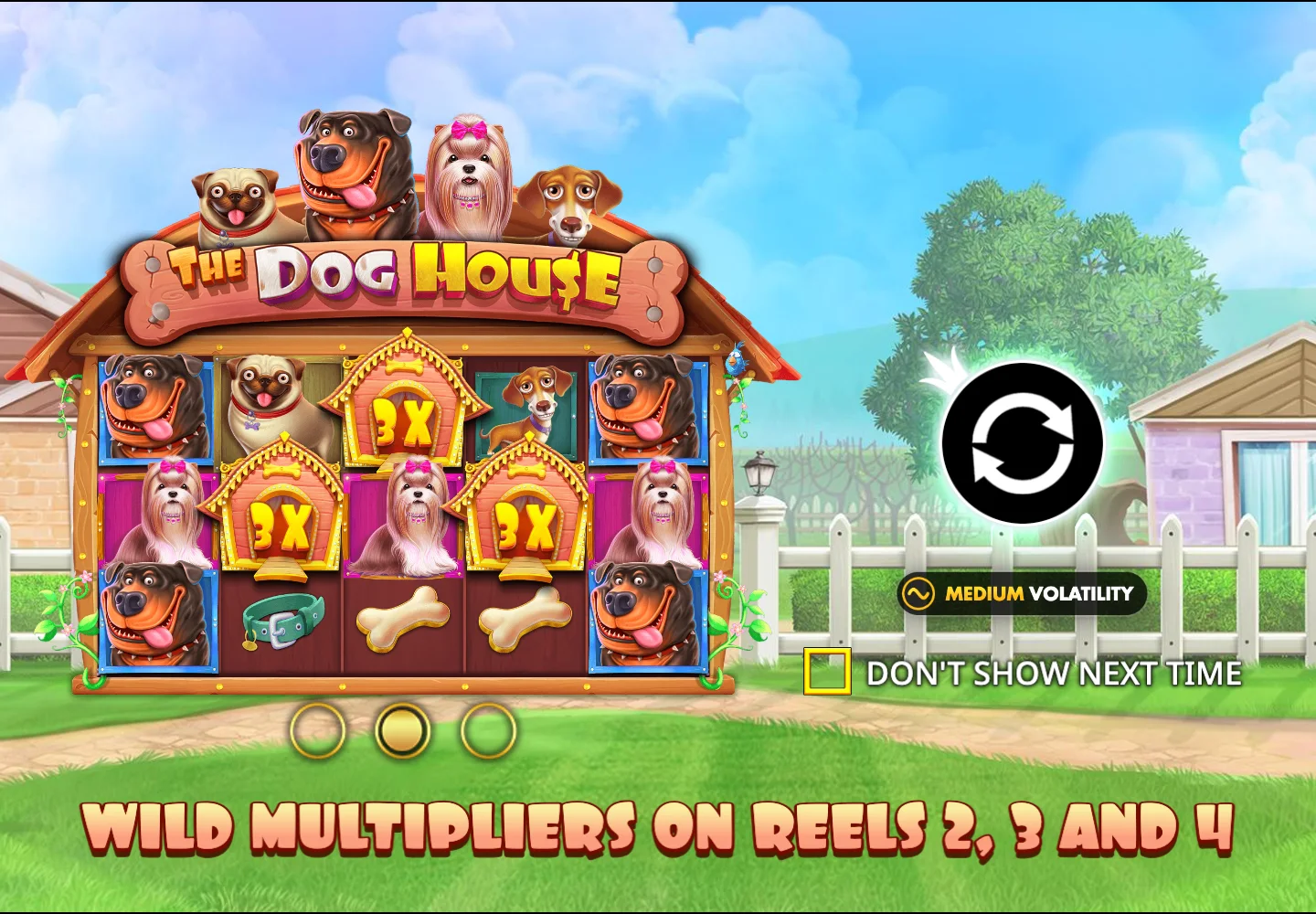
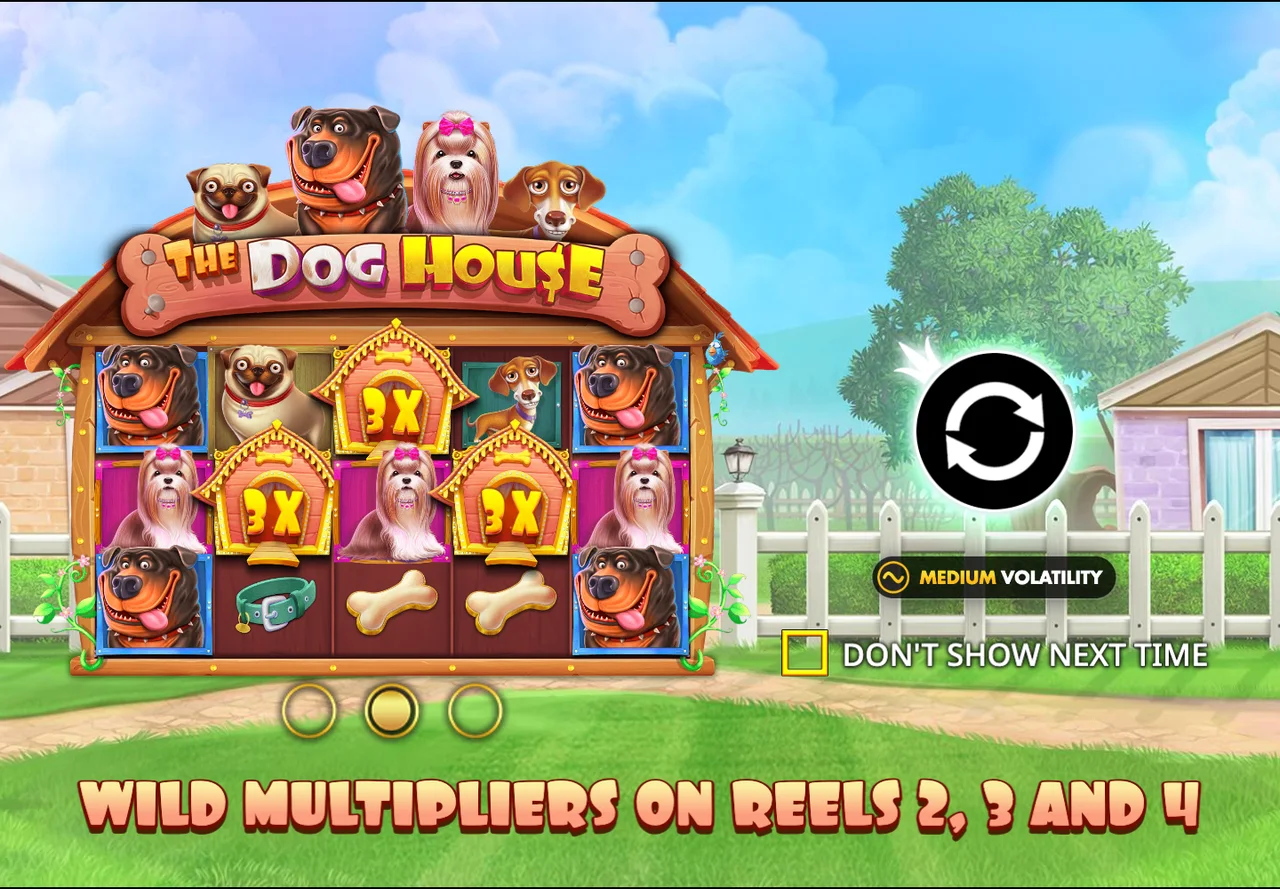
The dogs give the paytable plenty of character. The Rottweiler sits at the top, followed by the Shih Tzu, Pug and Dachshund. Collars, bones and card ranks fill the remaining ordinary-symbol positions. The doghouse wild brings the extra punch, with 2× or 3× attached to it on the middle reels.
What makes the feature satisfying is seeing a useful position become part of the next result too. A held wild can connect with fresh dogs as the spin counter runs down. You follow the same paylines throughout, so the appeal comes from the developing arrangement rather than a change of payment system. Learn that relationship here and you have an excellent reference for Multihold, Royal Hunt and the other fixed-line sequels.
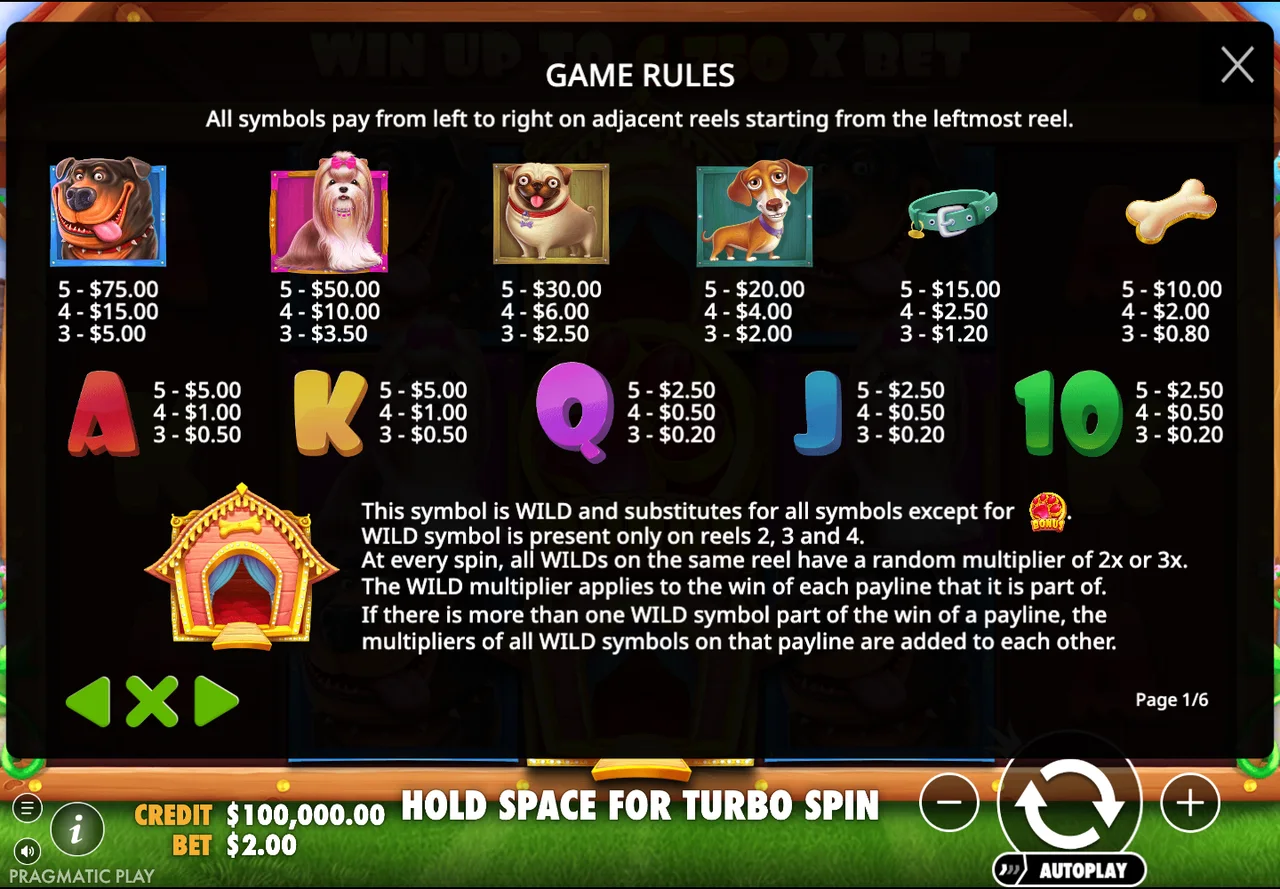
The Rottweiler leads the original paytable with 2.5×, 7.5× and 37.5× total-stake awards for matching groups of 3, 4 and 5. The Shih Tzu follows at 1.75×, 5× and 25×. These are the premium pictures to look for when the game highlights a completed line, especially when a multiplier wild joins the combination.
The Pug pays 1.25×, 3× and 15× for the same matching counts. The Dachshund pays 1×, 2× and 10×. That gives each dog a distinct place in the hierarchy. You can read the table across a row to compare combination length, or down a column to compare symbols at the same length.
The supporting pictures have their own awards. A collar pays 0.6×, 1.25× or 7.5×, while a bone pays 0.4×, 1× or 5×. Card ranks complete the ordinary set. The special symbols do different work: wilds contribute to line combinations and bonus symbols open the feature. Follow the highlighted payment with that distinction in mind and the animated total becomes much easier to unpack.
The card rows are useful when learning the smaller ordinary payments. A and K each pay 0.25×, 0.5× and 2.5× for the listed matching counts. Q, J and 10 each pay 0.1×, 0.25× and 1.25×. Reading those exact cells alongside a line highlight gives you a more complete picture than looking only for the premium dogs. The whole table uses total stake, keeping the comparison unit consistent from the smallest row through to the Rottweiler.
| Symbols | 3 | 4 | 5 |
|---|---|---|---|
| Rottweiler | 2.5× | 7.5× | 37.5× |
| Shih Tzu | 1.75× | 5× | 25× |
| Pug | 1.25× | 3× | 15× |
| Dachshund | 1× | 2× | 10× |
| collar | 0.6× | 1.25× | 7.5× |
| bone | 0.4× | 1× | 5× |
| A | 0.25× | 0.5× | 2.5× |
| K | 0.25× | 0.5× | 2.5× |
| Q | 0.1× | 0.25× | 1.25× |
| J | 0.1× | 0.25× | 1.25× |
| 10 | 0.1× | 0.25× | 1.25× |
| wild | — | — | — |
| bonus | — | — | — |
18+ · Play responsibly. Gambling involves risk.
The middle reels are where the doghouses do their work. Wilds appear on reels 2, 3 and 4 with values of 2× or 3×. When several qualifying wilds contribute to a winning combination, their multipliers add together. That additive rule is central to reading the original’s line awards.
Look at the winning line first, then the wild values contributing to it. A wild can connect the ordinary symbols and bring its multiplier into the calculation at the same time. The game highlights the settled combination, giving you a neat visual explanation of how the pieces fit. With the same 20 paylines available throughout, it is easy to compare a result with the ordinary-symbol table.
This is also why the original remains engaging before the bonus arrives. The multiplier is already part of ordinary play, while free spins give those same positions a longer role. In the base game, you read a fresh arrangement on each spin. Inside the feature, you also keep an eye on the positions already held. The rules build naturally from a line win into a developing sticky-wild board.
The original is a useful place to practise reading the feature as a board that develops over time. Notice which wild positions are already occupied before each remaining spin begins. A held symbol changes the set of combinations that can form around it, but the completed result still depends on the symbols that arrive. Following that relationship makes the sticky-wild mechanic more concrete than looking at the final total alone.
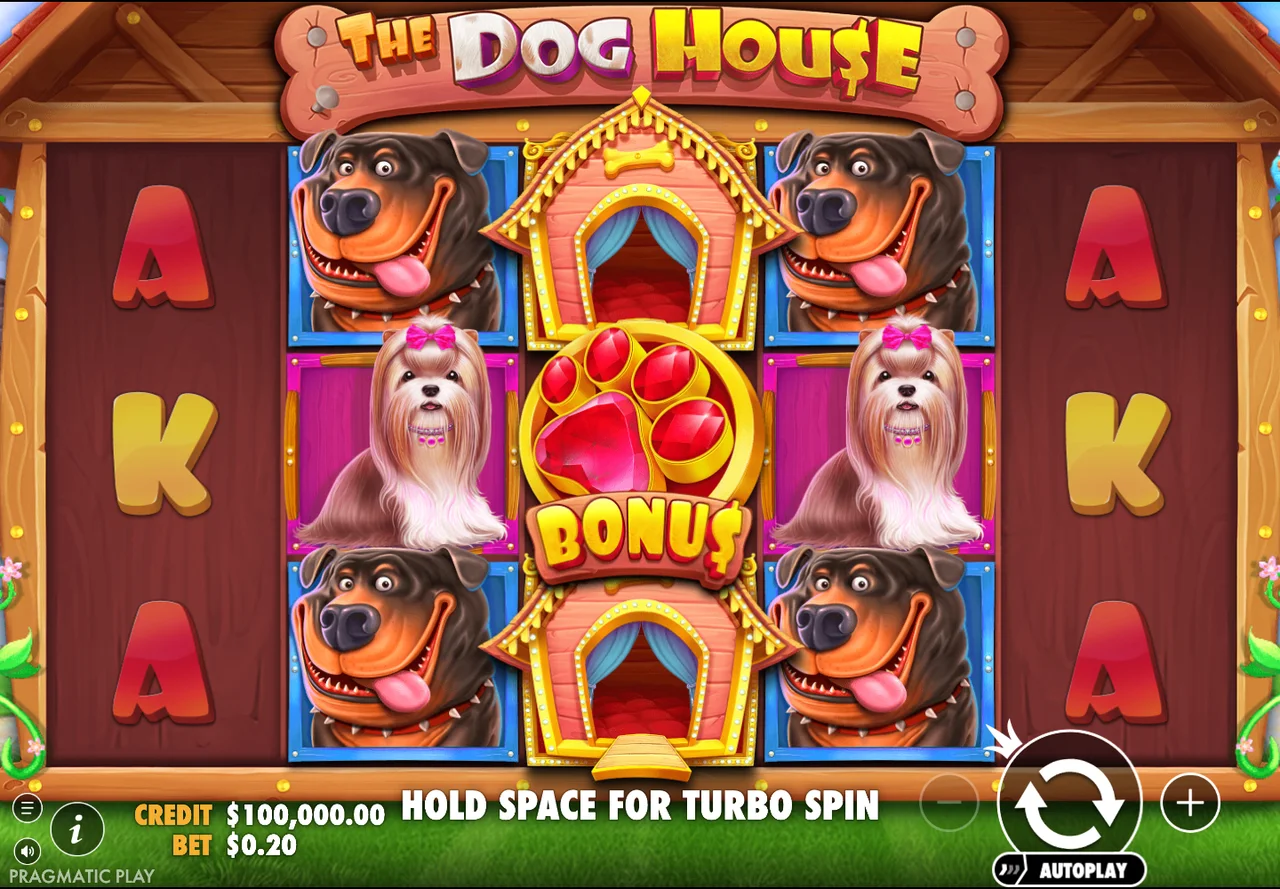
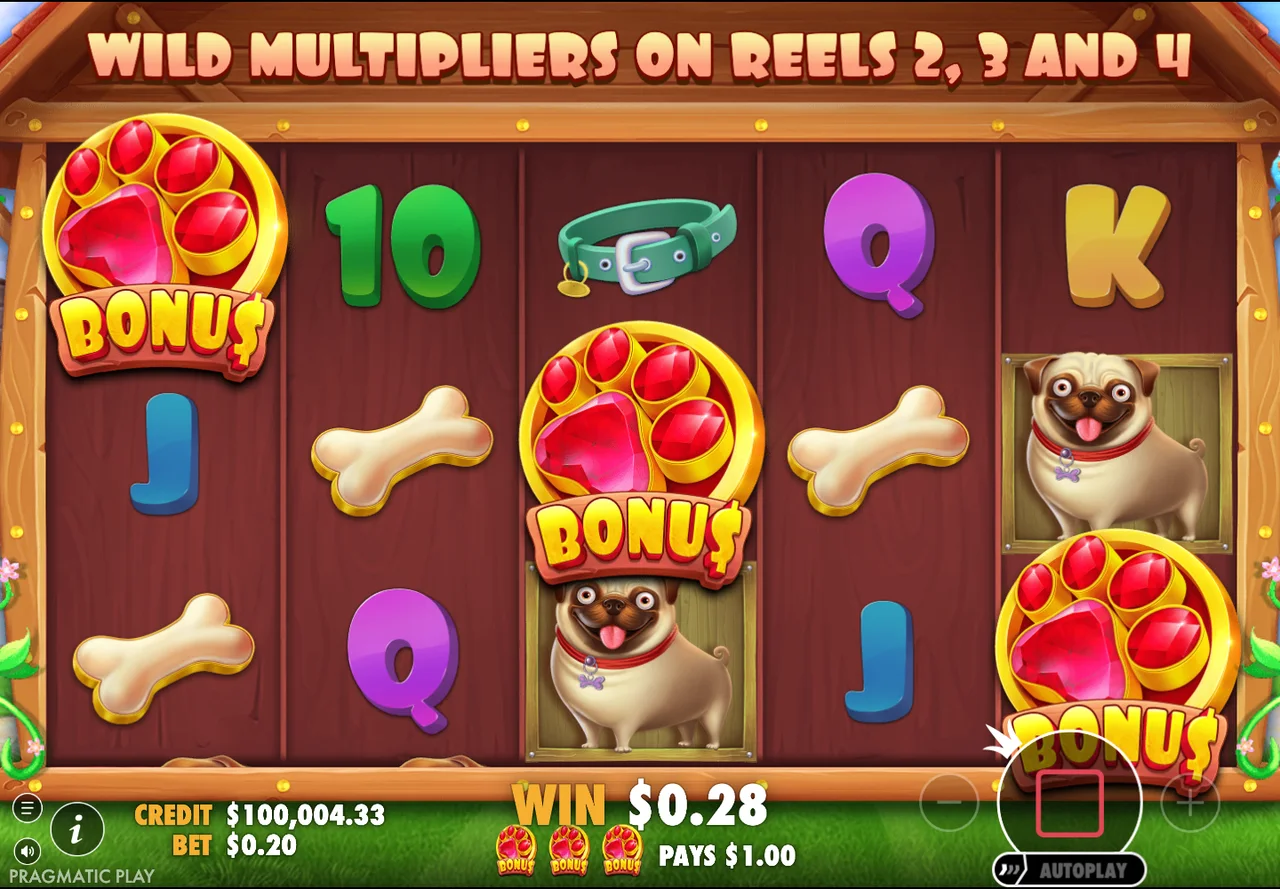
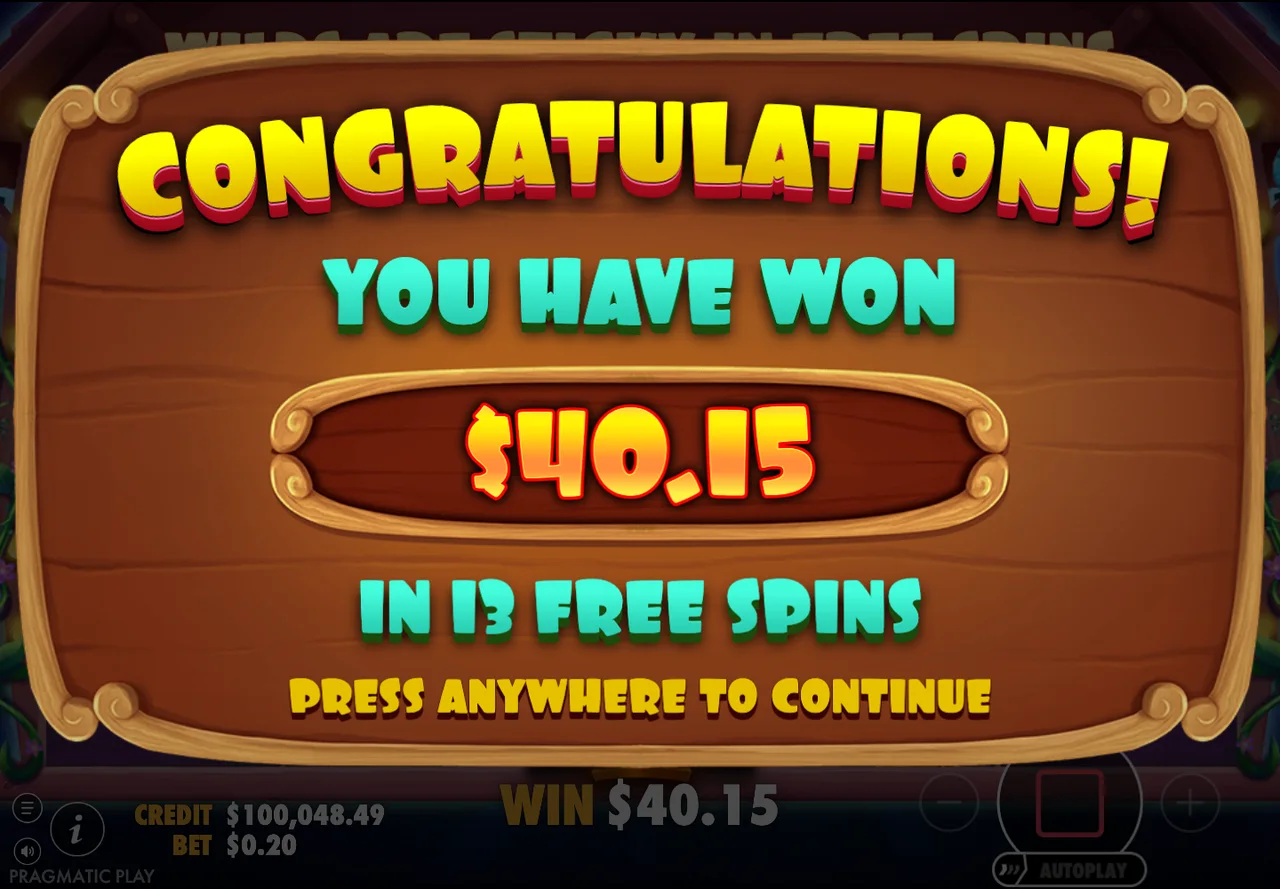
Compare the opening screen with the completed feature screen when reviewing an example. The starting award and the final number of played spins describe different moments. The caption identifies what is actually visible in the capture, while the rules explain the sequence between those moments. This keeps a particular demo round separate from the full range of outcomes the feature permits.
We favour this version as a starting point because its fixed window keeps the reading task compact. Once the basic symbol and wild relationship is familiar, the sequels offer clear questions to explore: more boards, different reel heights or another mode choice.
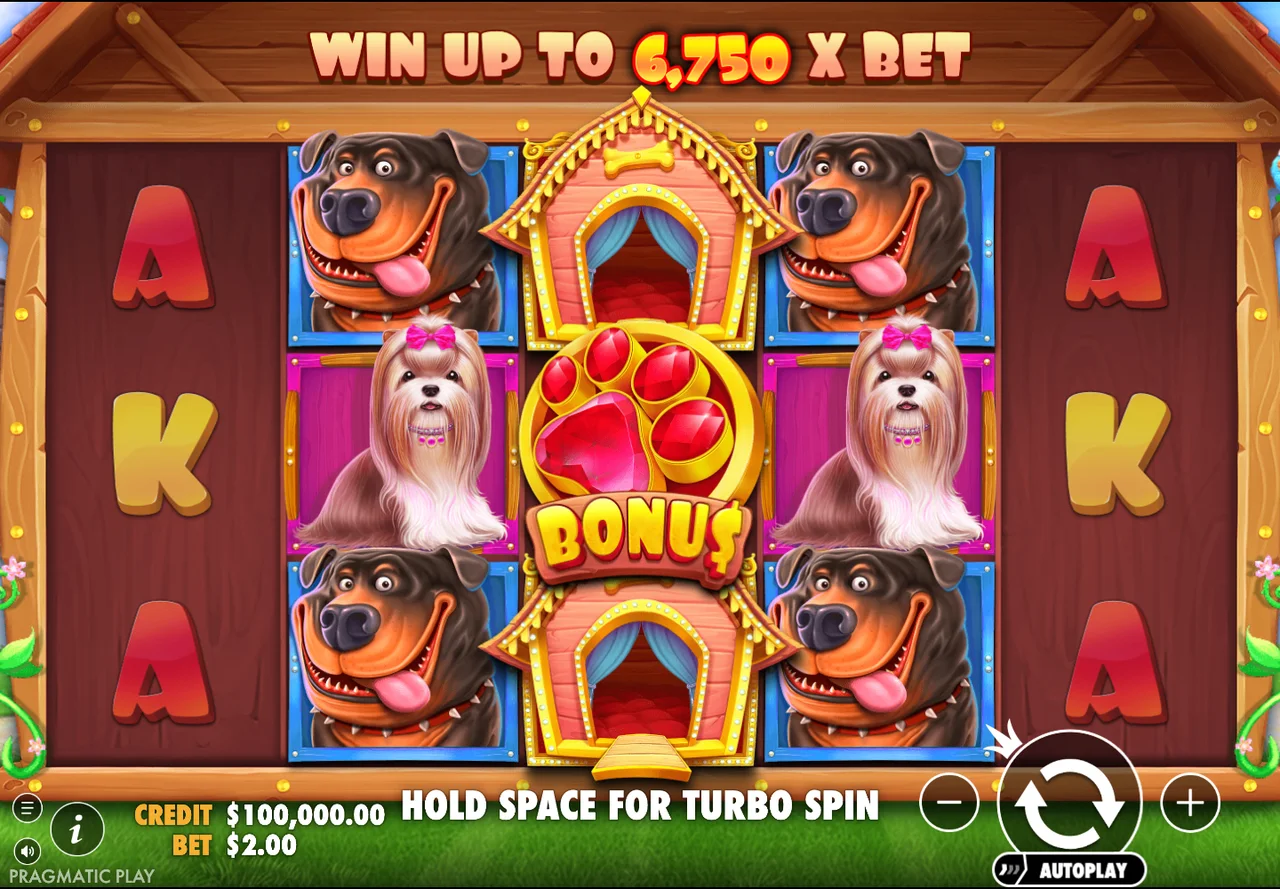
Land 3 bonus symbols across the first, third and fifth reels to open free spins and collect the 5× stake scatter award. The opening spin count comes from a separate 3×3 grid, with each cell contributing from 1 to 3 spins. Add the cells together and your starting total falls between 9 and 27.
That reveal is a lovely introduction to the bonus. Once the award is settled, attention shifts back to the reels and their sticky wilds. Each wild stays in its position during the feature, so you can follow how the held pattern interacts with the dogs landing around it. The middle-reel locations make the relationship with the paylines especially clear.
There is no free-spin retrigger in this game. The original keeps the round focused on its initial award and the wild positions built during it. Dog or Alive later adds multiplier-doubling milestones, while Multihold adds grid unlocks. Here, the pleasure is the stripped-back version of the idea: the same playing area, additive wild values and a spin counter whose opening total comes from that distinctive selection grid.
The opening mini grid also gives this version a memorable visual structure. Each cell contributes to the total, so you can follow the award being assembled before the reels return. Once the counter is set, the focus changes from collecting spins to reading the held pattern. That transition is part of the original’s appeal: the feature has a clear beginning, followed by a single board whose sticky positions remain easy to identify throughout the round.
| Scatters | Free spins |
|---|---|
| 3 | 9–27 |
Our demo samples describe the recorded sessions only. They do not predict future results.
3,700 · Base spins
Focus or point to a bar to read its value.
Across 3,700 base spins, 28.46% paid something, free spins began 1 in 218 spins and the recorded return was 108.83%.
The 17 naturally triggered features averaged 134.71× the bet, with a best result of 566.15×.
18+ · Play responsibly. Gambling involves risk.
The RTP is 96.51%, volatility is medium and the maximum win is 6,750× your stake. Together they give the original its place in our comparison: a medium-volatility fixed-line game with a lower ceiling than the more elaborate Megaways entries. Its strongest selling point remains clarity rather than sheer feature count.
RTP expresses the theoretical return of a game configuration across extensive play. Volatility describes the distribution of awards, while the maximum identifies the payout cap. Keeping those columns separate lets you compare the original with a sequel on the attribute that interests you. A player drawn to readable lines may value the original even when another game lists a larger cap.
For a close mathematical comparison, Dice Show also has 96.51% RTP and a 6,750× maximum. For a feature comparison, Royal Hunt keeps a 5×3, 20-payline layout while introducing royal wild values and a different cap. The information panel inside the game identifies the configuration you have opened; the table here gives you a convenient reference alongside those rules.
Choose the original for a single sticky-wild board and a complete ordinary-symbol table. Its 20 fixed paylines give the series a clear starting shape. You can watch how a multiplier joins a line, then see how holding that position changes the free-spin round. The link between ordinary play and the feature is its great strength.
For more screen activity, Multihold opens extra grids and copies sticky wilds into them. Dog or Alive stays with the fixed layout but doubles wild multipliers at collection milestones. Royal Hunt brings 10× and 20× royal values alongside the familiar smaller multipliers. Each sequel develops a particular part of the original idea.
Megaways is the larger structural jump. It uses 6 reels, changing heights and a ways-based system, with separate Sticky and Raining award schedules. Muttley Crew goes in another direction entirely, using clusters on a 5×5 grid. Try the original first if you enjoy tracing lines; move to those alternatives when you want the payment structure itself to become the main change.
The original is also a useful benchmark for ordinary-symbol reading. Its complete table gives the series comparison a concrete foundation, while each sequel’s help supplies that game’s own awards. Learn to identify the matching count, ordinary row and contributing wild here, and you have a clear set of questions to take into every other demo. The sequels then answer those questions through their own layouts and feature treatments.
The original is a useful demo to explore on a smaller screen because its playing area stays at 5×3. You can keep the multiplier positions, ordinary dogs and feature counter in view without following extra grids. Open the demo from this review, then bring up the paytable to see how its symbols and line diagrams are presented on your device.
The most interesting detail to follow is a wild on a middle reel. Watch the settled line highlight, look at the attached multiplier and compare the result with the table. During free spins, follow that position into the next arrangement. That simple visual exercise explains the game more quickly than a list of terminology.
Use the screen orientation that gives the reels and help panel enough space. The review remains beside the demo as a reference for the trigger, spin award and additive multiplier rule. If you want another game to compare afterwards, Dice Show keeps the same fixed-grid dimensions, while Megaways gives you a wider variable-height format to explore.
18+ · Play responsibly. Gambling involves risk.
The Pragmatic Play slot The Dog House still earns its place through a focused feature that is easy to explain and enjoyable to follow. You get multiplier wilds in ordinary play, a distinctive opening spin selection and sticky positions during the bonus. The full ordinary-symbol table is another strength: there is plenty here to inspect beyond the headline feature.
We particularly like the clean relationship between the fixed paylines and the held wilds. You can see why a position matters and how it can help another combination later in the round. That makes this our beginner pick, with medium volatility and a single-grid layout winning the simplicity comparison.
The trade-off is a smaller feature menu than the sequels offer. If you want selectable modifiers or several active boards, The Big Dog House and Multihold have more to explore. For the core Dog House idea in its most direct form, however, this is the version we would open first.
The RTP is 96.51%, paired with medium volatility and a 6,750× stake maximum. Those columns let you compare its specification with the sequels. Dice Show shares these headline figures, while the original’s full symbol table makes this review a particularly useful reference for ordinary payments.
The feature starts with 3 bonus symbols across the first, third and fifth reels. You receive a 5× stake scatter payment, then the 3×3 selection grid supplies between 9 and 27 free spins. Each cell contributes from 1 to 3 spins to the total.
Qualifying values add. The wilds carry 2× or 3× and appear on reels 2, 3 and 4. Follow the highlighted line to identify the contributing positions, then read the multiplier alongside the ordinary-symbol award. During free spins, those wild positions stay on the board.
The round runs through its awarded spins with sticky wilds retained in their positions. Free spins cannot retrigger. That keeps this version focused on building the held pattern, while later games such as Multihold and Dog or Alive add their own extension mechanics.
You can inspect the paytable, trace the fixed paylines and watch how multiplier wilds contribute to settled results using virtual credits. The demo also shows the transition into free spins. It is a convenient companion to the ordinary-symbol table and feature explanation in this review.
Try Multihold for extra grids and copied wilds, Royal Hunt for royal multiplier values, or Megaways for changing reel heights. If you mainly want a familiar fixed layout with another presentation, Dice Show shares the same dimensions, RTP and maximum. Our comparison page brings those differences together.

RTP: 96.55% · Max Win: 12,305×
RTP: 96.51% · Max Win: 6,750×
RTP: 96.06% · Max Win: 9,000×
RTP: 96.52% · Max Win: 10,000×
RTP: 96.5% · Max Win: 7,500×
RTP: 96.53% · Max Win: 8,000×
RTP: 96.53% · Max Win: 15,000×
RTP: 96.5% · Max Win: 25,000×